

When UK clean-tech is vulnerable, the country’s own brand damage lasts longer
In December 2025, a West Midlands based electric vehicle (EV) charging technology company collapsed overnight. Around 60 highly skilled engineers and business teams lost their jobs with just six hours’ notice of the company’s official insolvency. On paper, this might look like another start‑up failure in a challenging electric vehicle charging market, but was it that simple?
The UK’s ‘Clean‑Tech’ Promise for a net-zero future
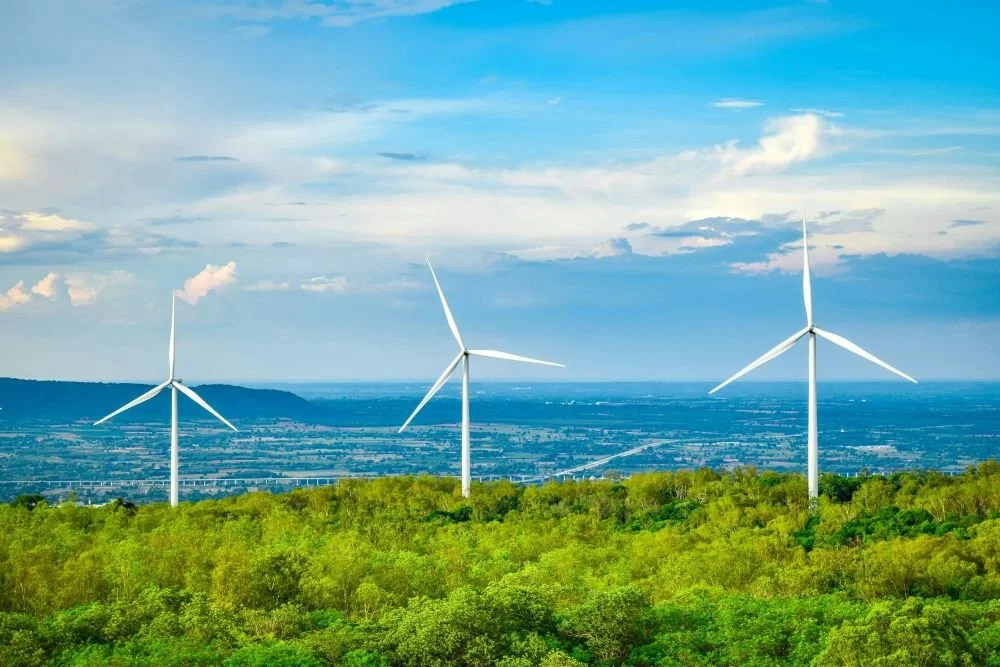
The UK government has explicitly positioned clean technologies at the heart of its national growth agenda. Under recent strategies such as the Clean Energy Industries Sector Plan, clean energy technologies are recognised as critical to national innovation and economic leadership.
Similarly, the government’s Powering Up Britain: Net Zero Growth Plan commits billions to net‑zero research and innovation, supporting early‑stage technologies across power, buildings, industry and transport.
These policies explicitly frame clean‑tech as both an environmental necessity and an economic opportunity in the UK, one capable of generating new industries, jobs and export strengths.
Clean‑Tech Is the Future, but THERE IS a warning siren to UK founders and SMEs.
Clean technology is the future of energy, transport and industrial competitiveness in the UK. Successive UK policies, including the Ten Point Plan for a Green Industrial Revolution and the broader net‑zero targets legislated through the Climate Change Act embed clean‑tech innovation into national objectives for sustainable growth and decarbonisation.
But when a company with an innovative solution in the clean-tech space becomes insolvent, it may send a stark signal to new founders, engineers looking for planet considerate employment, and investors. Even breakthrough technology with global relevance may not survive in the UK.
The UK risks undermining its credibility as a serious player in the green economy when innovative companies are left without protection. Even more concerning is the contradiction at the heart of its clean‑tech ambitions: if the UK truly champions green innovation, why do some clean-tech companies in the UK turn to overseas investors for critical funding in the first place? In the case of the EV charging innovators, it was their US investor who withdrew support, wanting to move away from EV adoption, a decision likely influenced by their own political priorities, leaving a strategically important UK business exposed.
Political Endorsement Without Protection Undermines Credibility
Senior political figures publicly hale innovative clean-tech companies. They inherently infused the businesses with credibility. Yet when these companies collapse, the credibility of that endorsement weakened for SME and founder-led businesses watching.
This matters because government ministers repeatedly emphasise the UK’s role in fostering net‑zero and clean‑energy sectors, celebrating progress in renewables and EV infrastructure while pledging investments in innovation and clean growth.
However, if those narratives are not backed by mechanisms to support critical clean-tech innovators, trust erodes.
Are we risking the Export of UK intellectual property?

One of the most concerning outcomes of losing a UK grown clean-tech business is the risk of their highly regarded intellectual property (IP) leaving the UK. A passionate clean-tech founder could face this harsh reality. They may spend years recruiting highly skilled engineers and staff to their UK business, win multiple projects and grants with government backed organisations such as Innovate UK, go through the gruel of investment rounds, and of course, their own personal sacrifice, to then be put at risk of their IP being purchased by overseas competitors if they collapse.
This contradicts official aims to retain high‑value jobs and strengthen domestic supply chains in the UK.
When early risk is absorbed domestically but long‑term value is captured internationally, the UK becomes an incubator, not a global leader.
The West Midlands: Regions, like companies, have brands.

Image: Unsplash
The West Midlands ‘brand reputation’ has long been recognised as the beating heart of the UK’s automotive engineering industry. Home to global global companies such as Jaguar Land Rover, JCB and Aston Martin, the region has built a reputation for advanced manufacturing and engineering excellence.
The West Midlands is repeatedly positioned as central to the UK’s engineering future and EV transition. Yet highly skilled teams within innovative companies my be lost with no intervention or retention strategy if an investor moves the goal posts, or their own technology milestone deadlines change, quite a normal expectation within a start-up, pre-commercial environment.
Brand Leadership: Protect What You Champion
If the UK wants to be seen as a serious clean-tech leader, it must align its systems with its narrative and support clean-tech founders through all pre-revenue stages of their business, especially if their future is bright with secured partnerships or Innovate UK grant applications. Protection must match promotion. Intervention must follow endorsement.
We run the risk of weakening the UK’s overall brand as a place to build a net-zero future.