

The Role of AI in Branding: Why Human Insight Still Matters
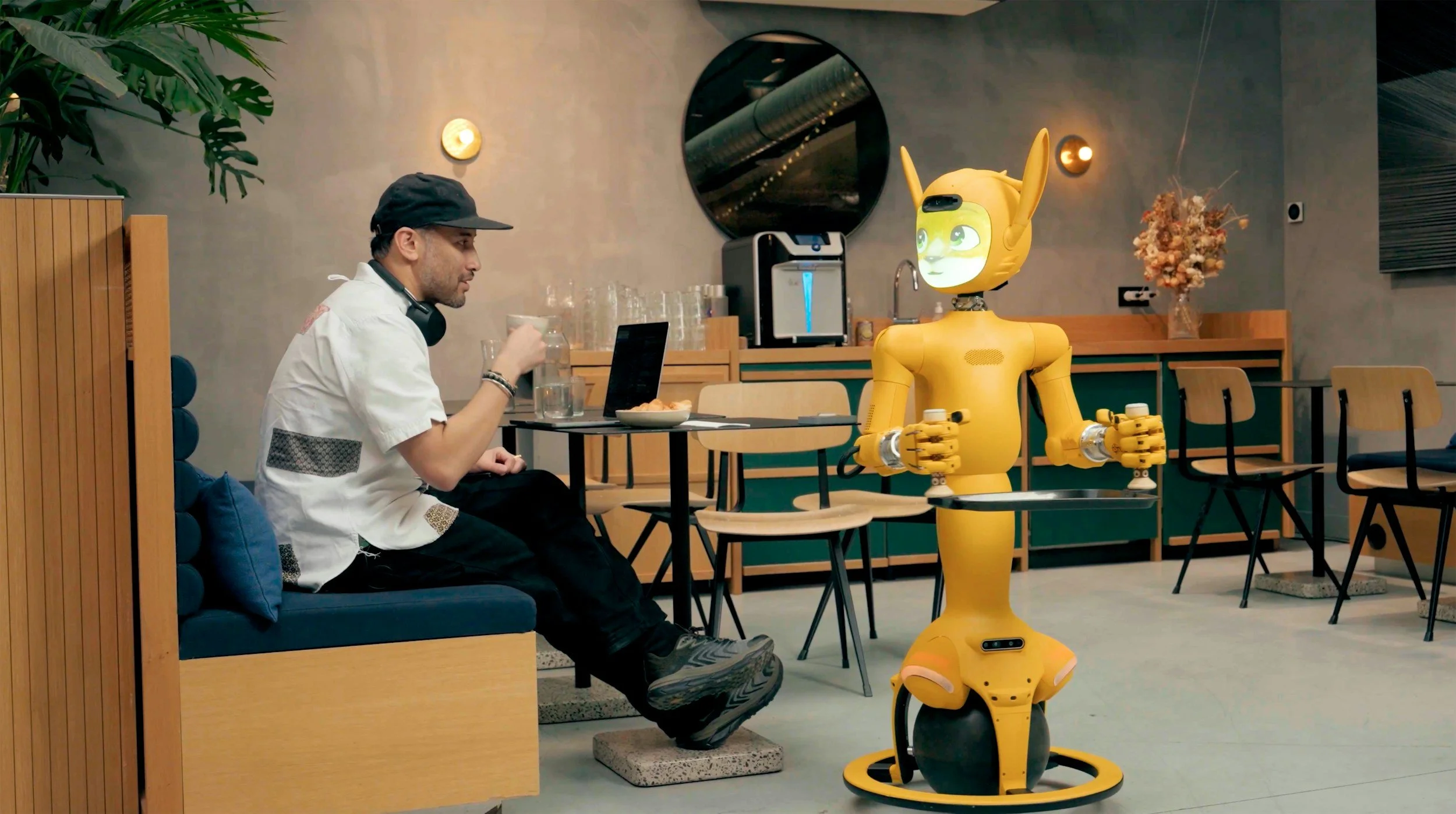
Artificial Intelligence (AI) is no longer futuristic—it’s now a core part of AI in marketing and AI branding. From automating content creation to generating campaign ideas, brands are adopting AI faster than ever. Yet in my experience as a brand strategist, the real power of branding still lives in human insight, not algorithms.
AI tools are everywhere. According to TechRadar, “84% of UK marketers use AI tools daily,” but while adoption is high, creative thinking and human judgment continue to lead decision‑making.
Where AI Supports Brand Strategy
AI shines at pattern recognition, rapid analysis, and scaling repetitive work. I use AI to:
Speed up early creative exploration
Generate data insights and trend analysis
Produce first drafts that save time
Test messaging and variants across audiences
Recent industry research confirms this approach: a HubSpot‑sourced report shows UK marketers are adopting AI while keeping tight creative control, reshaping workflows without ceding strategic leadership,
This aligns with what I see in practice: AI accelerates efficiency, but meaningful brand decisions remain human.
The Risk of Over‑Reliance on AI for brand strategy
A common misunderstanding is to let AI lead branding rather than support it. Research from industry surveys suggests many marketers struggle to balance AI with creativity. For example, 30% of UK marketers say their organisations find this balance challenging, with some AI‑generated content feeling impersonal or repetitive to consumers.
This highlights a real risk: if we let AI dictate brand voice or identity, the brand can feel homogenised and transactional rather than distinct and human.
Human Insight Is Still Irreplaceable

Brand strategy isn’t just about outputs, it’s about purpose, emotion, and trust. These elements are built through human empathy, intuition, and long‑term perspective. AI can generate content or analyse trends, but it cannot feel culture, sense emotional context, or build connection in the way people do.
In fact, broader research on generative AI in marketing suggests that the most effective future strategies will be those that combine human creativity with AI’s strength in execution, rather than replace it.
My theory… strategy First, AI Second
At Althea Creative, my philosophy is simple: strategy first, AI second. I begin with brand purpose, values, audience insight, and narrative foundations. Only once those are established do I use AI to enhance execution and explore creative variations.
“I do believe AI in this industry is unavoidable now. But the human is still primary. ”
This balanced approach reflects what many UK marketers are practising: AI improves speed and efficiency, but strategy and creative leadership remain centre stage. It’s not about whether to use AI, but how to use it to amplify human‑driven differentiation.
AI is a powerful tool for AI branding, but it’s not a substitute for brand strategy. It can help us work smarter and faster, yet the emotional connection that makes a brand memorable will always be human.